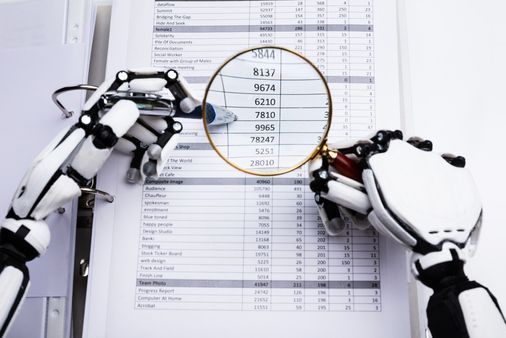
Machine Learning has revolutionized numerous industries, and bookkeeping is no exception. It’s a game-changer that's ushering in a new era of efficiency, automating tasks that once consumed countless hours, freeing up bookkeepers to focus on strategic activities. The days of mere number crunching are fading into the annals of accounting history, replaced by a dynamic interplay of technology and strategic focus. The bookkeeping landscape, as we know it, is being reshaped by the power of machine learning. Yet, even as machines are on the rise, the human touch remains essential in this transformational journey.
[caption id="attachment_504" align="aligncenter" width="300"]
The synergy of human and AI can transform every field, bookkeeping being no exception.[/caption]
The Role of Human Intuition and Judgment
In a digital world governed by algorithms and data, the uniquely human abilities to intuit and judge remain crucial. This is especially true in bookkeeping, where machine learning shines in handling vast amounts of data and churning out analytical insights. But what about when the going gets tough? When situations are complex and solutions are not clear cut? It is here that the human bookkeeper takes the stage. With a grasp of intricate business environments, nuanced regulatory frameworks, and the capacity to make decisions based on wisdom gathered over years, bookkeepers bring an irreplaceable dimension to the world of machine learning in bookkeeping. So, while we celebrate machine learning and the leaps in efficiency it brings, let's not forget the essential role of the human touch in this digital revolution.
Combining Human Expertise with Machine Efficiency
The integration of human proficiency and machine learning provides a formidable force in the world of bookkeeping. It's a unique and powerful partnership that capitalizes on the strengths of both sides. On the one hand, bookkeepers contribute with their deep-seated wisdom, strategic foresight, and ethical compass, guiding the decision-making process. On the flip side, machine learning algorithms bring unparalleled speed, pinpoint accuracy, and an insatiable appetite for vast data consumption to the table. Together, they work to conquer tasks and complexities beyond their individual capabilities. This isn't just about machines working for us; it's about working with machines, shaping the future of accounting together.
Ethical Considerations in Machine Learning
As we herald the dawn of machine learning in bookkeeping, we must also acknowledge the ethical considerations accompanying this tech revolution. Consider this: what happens when biased data feeds the algorithms? The resulting outputs can lead to unintended, unfair outcomes. The role of humans in this realm is to act as gatekeepers, instilling ethics into the machine learning domain. Regular refinement and review of algorithms are critical to ensure fairness and to avoid discrimination. As we journey into this new world of machine learning in bookkeeping, let's remember to carry our ethical compass along.
The Future of Machine Learning in Bookkeeping
The sophistication of machine learning is on an upward trajectory, yet it's far from eradicating the value of human wisdom, judgment, and ethical supervision. Instead, anticipate a future with more pronounced collaborations between bookkeepers and algorithms. This synergistic alliance will inevitably spark innovative breakthroughs, further refining efficiencies and reinventing the bookkeeping landscape. Thus, as we embrace the exciting future of accounting, remember this isn't just a story of technological advancement, but a narrative of humans and machines joining forces to shape the future of bookkeeping together. The future beckons with promising prospects, where human insight remains the compass guiding machine learning's voyage in the bookkeeping universe. The horizon is indeed bright and bursting with endless possibilities.
For updates, visit
AACON. For more information, contact Rosie at
letsgrownext@aacon.io.